20 Essential Busan Korean Phrases Locals Actually Use
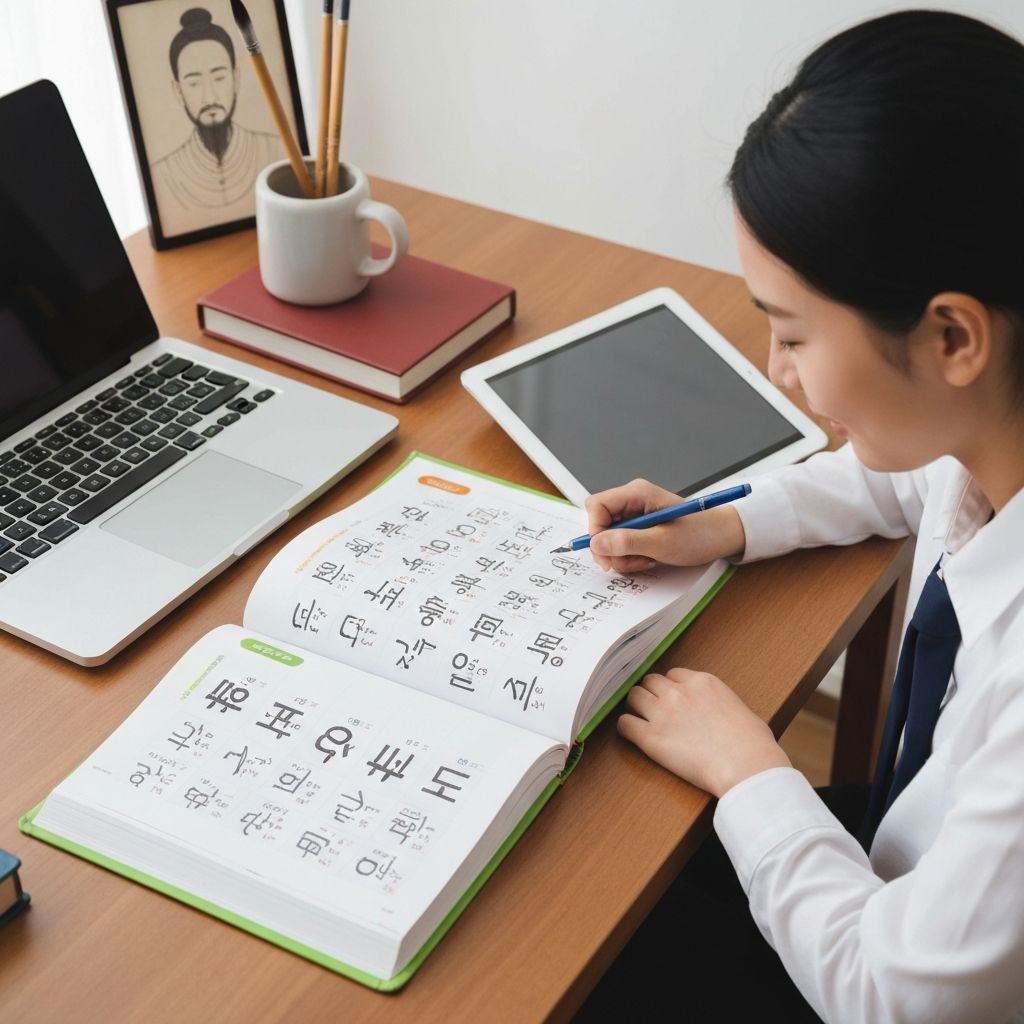
The Busan dialect (부산 사투리) is distinct, colorful, and full of character - just like the city itself. While standard Korean will work fine in Busan, learning a few local phrases will earn you smiles and respect from locals. Here are 20 phrases you'll actually hear on the streets.
Greetings & Basics
1. "가가" (ga-ga)
Meaning: "Hey" or "Come here"
When to use: Casual greeting among friends
2. "머하노" (meo-ha-no)
Meaning: "What are you doing?"
Standard Korean: 뭐해?
3. "잘 가이소" (jal ga-i-so)
Meaning: "See you later" (very polite)
Perfect for: Leaving restaurants or shops
Food & Dining
4. "이게 뭐고?" (i-ge mwo-go)
Meaning: "What is this?"
Essential when: Exploring street food markets
5. "맛있다 아이가" (mas-it-da a-i-ga)
Meaning: "It's delicious!"
Show appreciation: Use this at restaurants
6. "배 째지겠다" (bae jjae-ji-get-da)
Meaning: "I'm so full my stomach might burst"
Busan version of: "I'm stuffed"
Expressions & Reactions
7. "완전 대박" (wan-jeon dae-bak)
Meaning: "Totally awesome!"
Use when: Something impresses you
8. "기가 막히다" (gi-ga mak-hi-da)
Meaning: "Unbelievable" (can be positive or negative)
Context is: Everything
9. "그래 카이" (geu-rae ka-i)
Meaning: "That's right" or "Exactly"
Busan twist on: Standard 그래
Shopping & Bargaining
10. "얼마고?" (eol-ma-go)
Meaning: "How much is it?"
Essential at: Traditional markets
11. "좀 깎아 주이소" (jom kkak-a ju-i-so)
Meaning: "Please give me a discount"
Works best at: Local markets (not department stores!)
Social Situations
12. "소주 한잔 할까?" (so-ju han-jan hal-kka)
Meaning: "Shall we have a drink?"
Korean culture: Essential social bonding
13. "건배!" (geon-bae)
Meaning: "Cheers!"
Remember: Make eye contact when clinking glasses
14. "또 보자" (tto bo-ja)
Meaning: "Let's meet again"
Use when: Parting with new friends
Asking for Help
15. "실례합니다" (sil-lye-ham-ni-da)
Meaning: "Excuse me"
Use when: Getting someone's attention politely
16. "도와주세요" (do-wa-ju-se-yo)
Meaning: "Please help me"
Emergency phrase: Very important
17. "화장실 어디 있어요?" (hwa-jang-sil eo-di iss-eo-yo)
Meaning: "Where is the bathroom?"
Practical necessity: You'll need this
Weather Talk
18. "덥네 아이가" (deop-ne a-i-ga)
Meaning: "It's hot, isn't it?"
Summer essential: Busan gets very humid
19. "날씨 좋다" (nal-ssi joh-da)
Meaning: "Nice weather"
Small talk: Always works
20. "비 온다" (bi on-da)
Meaning: "It's raining"
Observation: Simple but useful
Pronunciation Tips
Busan dialect is characterized by:
Cultural Notes
Practice these phrases before your visit, and you'll experience a warmer, more authentic Busan. Locals love when visitors make an effort to speak the dialect!
Want to hear these phrases in action? Check out my TikTok @busankoreanman for pronunciation guides and real conversations with Busan locals.